The Ghana Sociological Association (GSA) was started in 1963. On 15th June 2012, the Ghana Sociological and Anthropological Association (GSAA) was formed, expanding the platform to integrate sociology, anthropology, and social work across Ghana.
Vision & Mission
Empowering Minds, Shaping Society
Vision Statement
"To be the leading platform for advancing sociological, anthropological and social work knowledge and practice in Ghana and beyond."
Mission Statement
"To bring together scholars and practitioners of sociology, anthropology and social work to promote critical engagement with social issues, and foster impactful research, teaching, and collaboration."
Aims
Association Priorities
Mobilize & Connect
Bring together sociologists, anthropologists, social workers, and related social scientists in Ghana.
Exchange & Networking
Serve as a forum for critical dialogue, idea exchange, and professional networking among members.
Teaching & Learning
Promote sociology, anthropology, and social work teaching in public and private higher education institutions.
Journal Development
Strengthen the Ghana Journal of Sociology and Anthropology as a mouthpiece for quality peer-reviewed scholarship. Browse Collection on ScienceOpen ↗
Association History & Milestones
Six Decades of Scholarship & Solidarity
The institutional evolution, seminal assemblies, and critical interventions of the Ghana Sociological and Anthropological Association from 1963 to the present.
“From its pioneering origins in the immediate post-independence era to its nationwide multi-institutional conferences and policy symposia today, the Ghana Sociological and Anthropological Association (GSAA) has stood as the premier intellectual home for social scientific inquiry, public debate, and national development in Ghana.”
1963
Founding Year (GSA)
2012
GSAA Reconstitution
9+
Annual Conferences
5+
Anchor Universities
1963 – 2012
Foundational Origins & Disciplinary Expansion
The intellectual heritage of the association traces back to 1963 with the establishment of the Ghana Sociological Association (GSA). Founded during an era of profound socio-political transformation following Ghana’s independence, the GSA served as the premier national body dedicated to fostering sociological teaching, rigorous field research, and social policy dialogue across the country’s universities.
For nearly five decades, the association provided an intellectual anchor for generations of Ghanaian sociologists who examined chieftaincy, agrarian transformation, industrialization, migration, kinship, and family dynamics. Recognizing the evolving epistemological landscape and the deep synergy between sociology, anthropology, and applied social work, a historic decision was taken on 15th June 2012: the association formally reconstituted and expanded its constitutional mandate to become the Ghana Sociological and Anthropological Association (GSAA). This expansion united sociologists, anthropologists, and social development practitioners into a unified, multidisciplinary national platform.
2013 – 2019
The Re-Launch Symposium & Institutional Momentum
On 1 March 2013, the GSAA marked its official resurgence with a landmark Re-Launch Symposium held at Yiri Lodge, University of Ghana, Legon, under the theme “Sociology and National Development.” The symposium re-energized academic departments nationwide, re-established institutional governance structures, and inaugurated a rotating national conference model across Ghana’s leading public universities.
November 2015 · 1st Annual Conference
Knowledge Production in Africa
“Social Science Knowledge Production in Africa: Interrogating the Past for Future Directions and Actions”
University of Ghana, Legon
September 2017 · 2nd Annual Conference
Debates in Contemporary Africa
“Discourses and Debates in Contemporary Africa: The Social Scientist and Sustainable Development”
KNUST, Kumasi
September 2018 · 3rd Annual Conference
Social Sciences & the SDGs
“The Social Sciences and the Sustainable Development Goals”
University of Cape Coast (UCC)
September 2019 · 4th Annual Conference
Re-Positioning for National Growth
“Re-positioning Sociology and Anthropology for National Development”
University of Ghana, Legon
September 2020
Public Sociology in Action: The Witchcraft & Violence Seminar
In September 2020, amidst widespread national and international outcry over tragic incidents of gendered violence and witchcamp abuses in Ghana—most notably the incident at Kafaba—the GSAA demonstrated the vital public role of social science scholarship by convening a high-impact national virtual seminar.
Virtual National Seminar · 24th September 2020
Witchcraft Beliefs, Accusations and Associated Violence in Ghana: Sociological and Anthropological Perspectives
Thursday, 24th September 2020
10:00 AM – 1:00 PM (GMT)
Virtual Assembly (Zoom)
The seminar provided an evidence-based forum bringing together leading academic researchers and grassroots human rights defenders to interrogate the root socio-cultural, economic, and legal dynamics behind witchcraft accusations:
Speaker 1 · Research & Academia
Dr. Abdulai Abubakari
Director, Centre for Interdisciplinary Research and Consultancy Services, UDS Tamale
“Witchcraft Allegations: Women as Scapegoats and Societal Response in Northern Ghana”
Speaker 2 · Comparative Scholarship
Dr. Saibu Mutari
University of Stellenbosch, Stellenbosch, South Africa
“Murder at Kafaba: Debating Witchcraft and Witchcamps in Ghana”
Speaker 3 · Civil Society & Human Rights
Hajia Adam Lamnatu
Executive Director, Songtaba
“Fighting to Liberate the Alleged Witches from Bondage: The Experiences of Songtaba”
2021 – 2023
Pandemic Resilience & The 7th Annual Conference at UCC
As global social life confronted the unprecedented disruptions of the COVID-19 pandemic, the GSAA sustained continuous academic dialogue. In September 2021, the 5th Annual Conference was convened virtually under the theme “Ghanaian Social Life and the COVID-19 Pandemic,” followed in September 2022 by the 6th Annual Conference at the University of Ghana, Legon, addressing “Sociology and Anthropology in the Era of New Global Emergencies.”
In September 2023, the association convened in person for its landmark 7th Annual Conference at the University of Cape Coast, critically confronting the accelerating digital age.
7th Annual Conference · 20th–22nd September 2023
Digital Technologies in Sociological and Anthropological Spaces
20th – 22nd September 2023 · 9:00 AM
Sasakawa Conference Centre, University of Cape Coast (UCC)
The conference gathered sociologists, anthropologists, data scientists, and policy experts to examine the impact of mobile technologies, artificial intelligence, online sociality, and remote methodology across African communities:
Conference Chairperson
Prof. Akwasi Kumi Kyereme
Dean, Faculty of Social Sciences, UCC
Keynote Speaker
Prof. William Boateng
Head of Programs, Arts & Social Sciences, College of Distance Education - UCC
Recognizing the necessity of building competitive grant acquisition skills and funding pipelines for African researchers, the GSAA organized a dedicated nationwide capacity-building webinar in June 2024.
Online GSAA Webinar · 19th June 2024
Proposal Writing and Grantsmanship
19th June 2024 · 10:00 AM
Zoom Virtual Assembly (Meeting ID: 654 6245 7476)
Designed to equip early-career scholars, postgraduate students, and faculty with modern grant-crafting methodologies, budget development, and international consortium alignment:
National Convener
Prof. William Boateng
National Convenor, GSAA
Session Chairperson
Prof. E. Manful
Academic Leader & Researcher
Guest Speaker · Grant Specialist
Prof. Raymond A. Tutu
Distinguished Scholar & Grantsmanship Specialist
2025 & Beyond
Contemporary Disciplinary Leadership & Global Outlook
In August 2025, the Department of Sociology at the University of Ghana, Legon, hosted the 9th Annual Conference, demonstrating the enduring intellectual vitality and cross-generational collaboration within the association.
Today, under the leadership of its National Convenor and institutional Management Committee, the GSAA continues to expand its global footprint through institutional partnerships with the International Sociological Association (ISA)—including joint publishing workshops and international research networks—while curating the Ghana Journal of Sociology and Anthropology on open-access platforms such as ScienceOpen. Over six decades since its founding, the association remains steadfast in its mission: elevating social science scholarship into transformative public action for Ghana and Africa.
Leadership
Association Structure
The GSAA is led by a National Convenor and governed through institutional representation from member universities. The Management Committee includes departmental heads and representatives from anchor institutions who work together to run GSAA affairs.
WB
National Convenor · Associate Professor of Sociology (UCC)
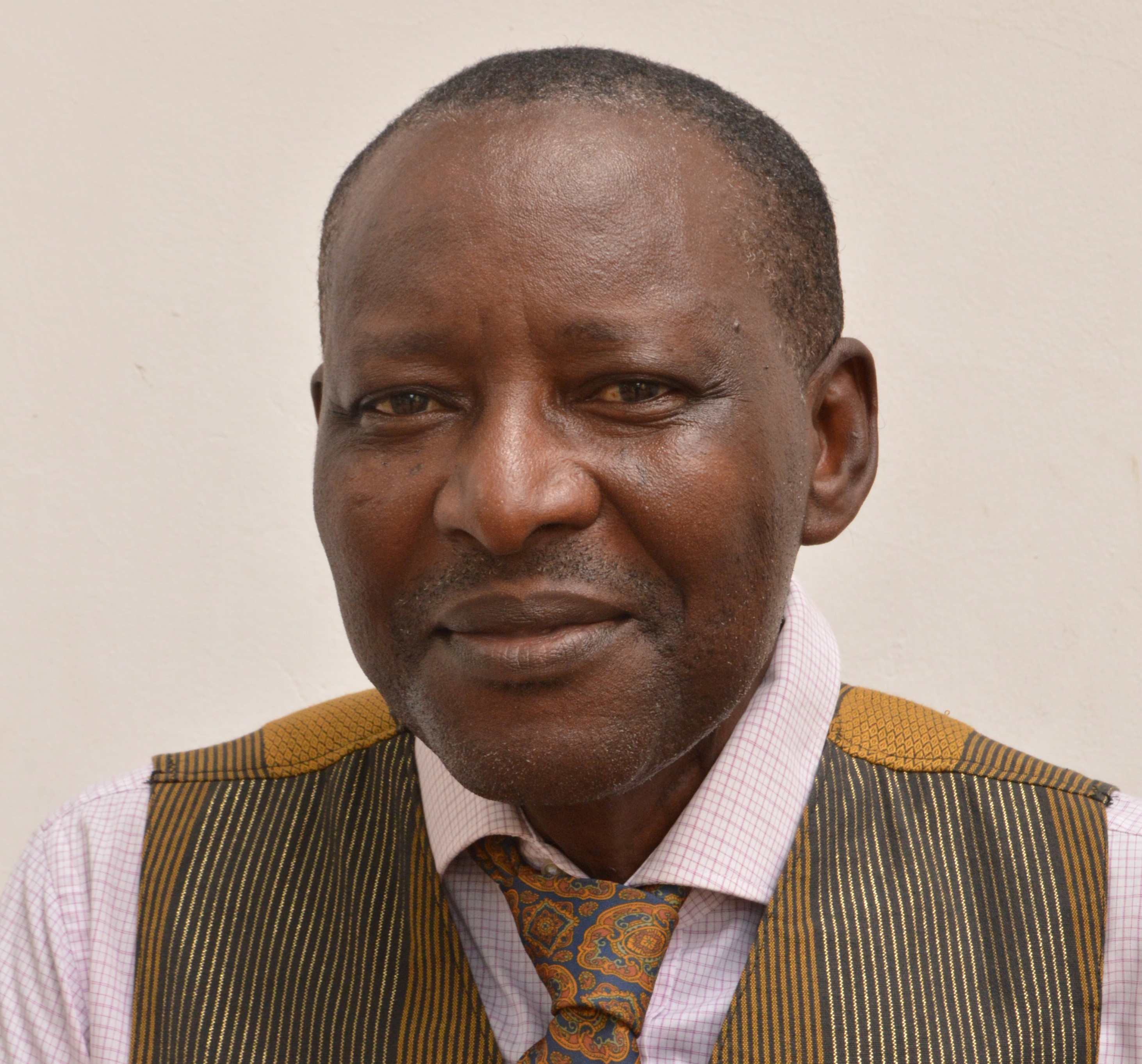
Prof. William Boateng
The National Convenor, Prof. William Boateng, is an Associate Professor of Sociology at UCC and Member of the ISA Nominations Committee with ~30 years of university teaching experience across Ghana and Canada. He coordinates GSAA affairs, national conferences, and institutional engagement across member universities.
Professor of Sociology at UG, Fellow of GAAS & Alexander von Humboldt Foundation, specializing in migration, chieftaincy, and pastoralism.
View Profile & Bio →
Institutional Representation
Member Universities
UG
University of Ghana
PT
Head of Department · Associate Professor
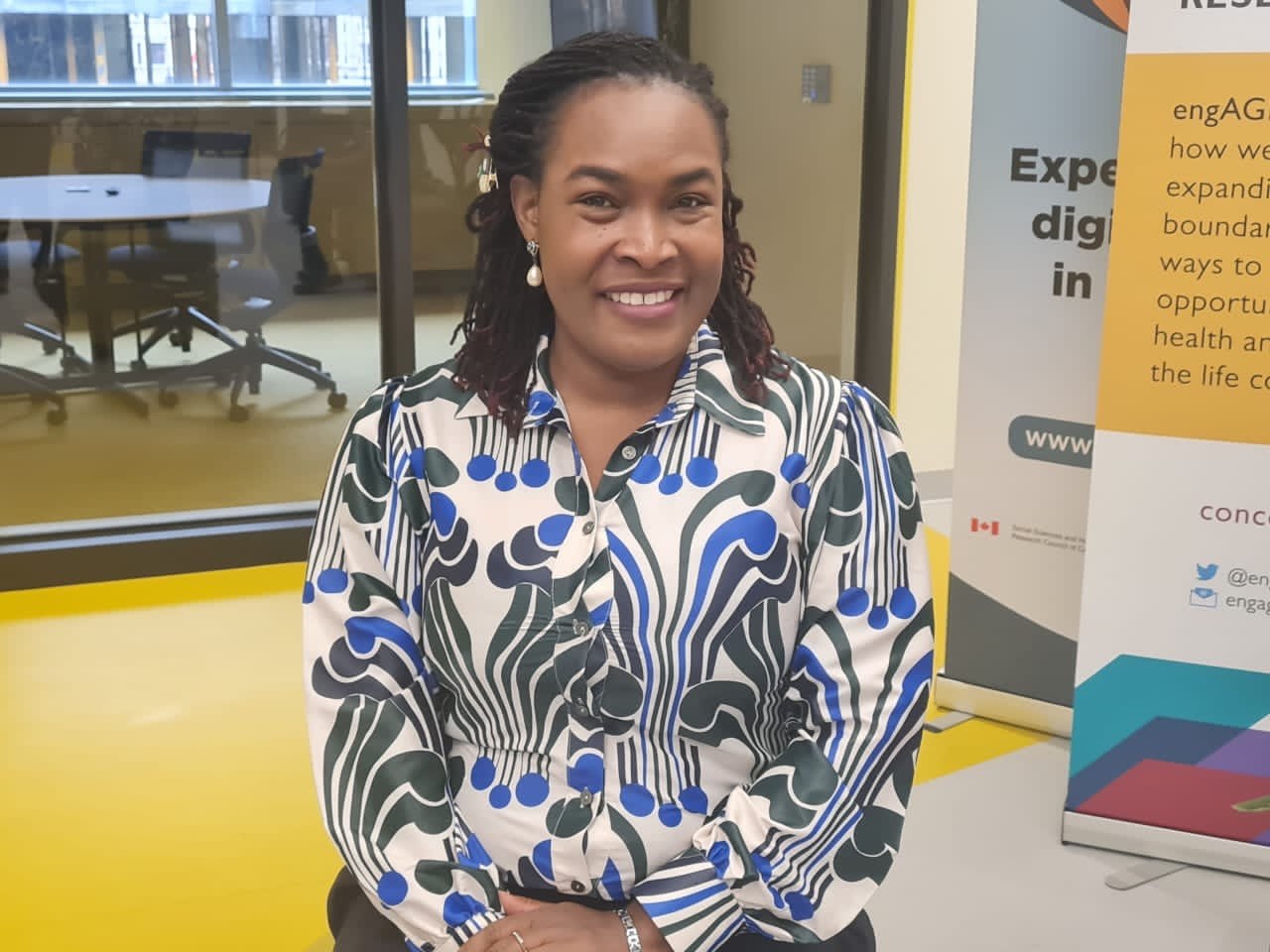
Asso. Prof. Peace Mamle Tetteh
View Profile & Bio →
RH
GSAA Representative · Senior Lecturer
Dr. Rosemond Akpene Hiadzi
View Profile & Bio →
UCC
University of Cape Coast
GO
Head of Department · Associate Professor
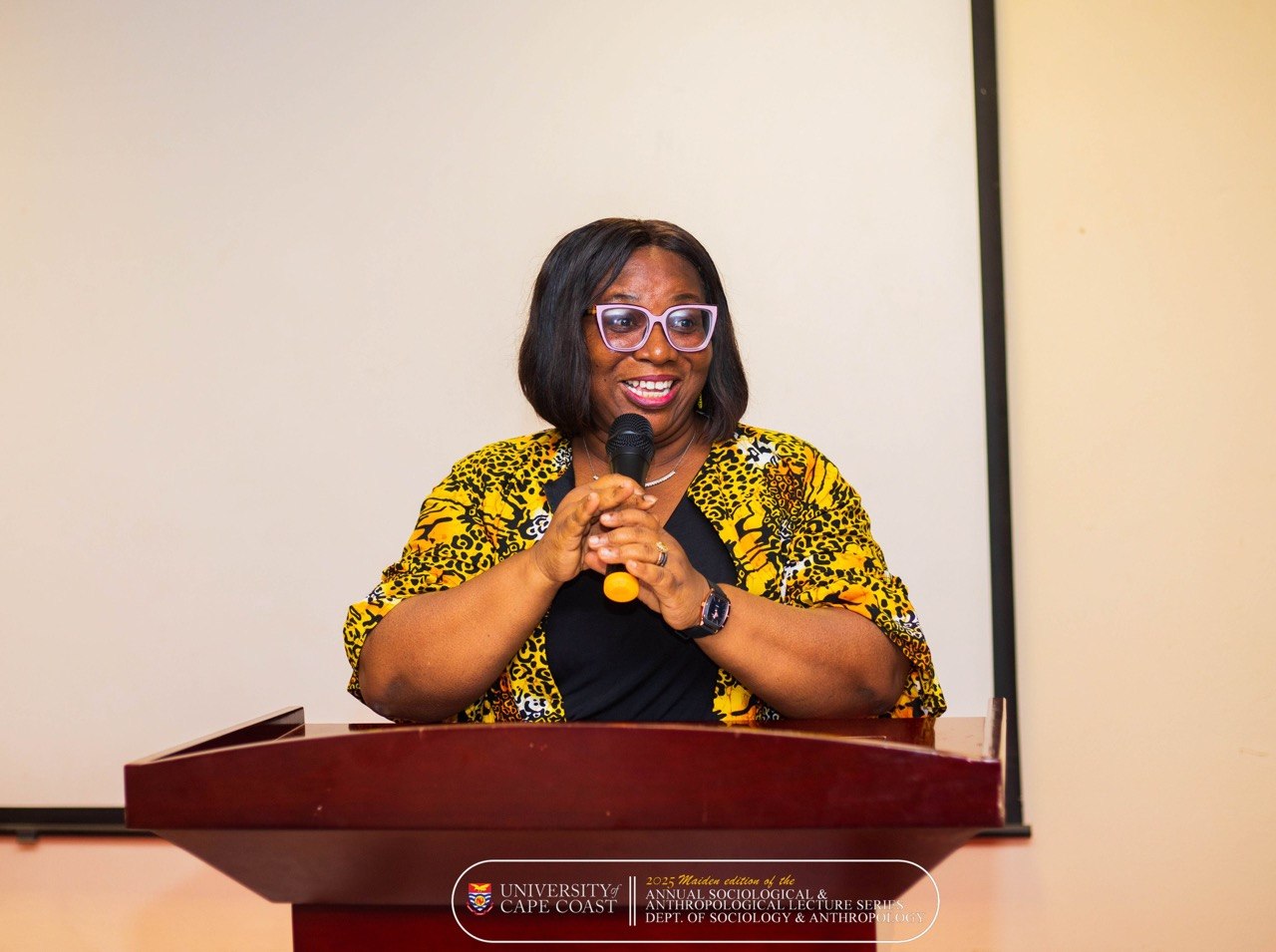
Prof. Georgina Yaa Oduro
View Profile & Bio →
RI
GSAA Representative
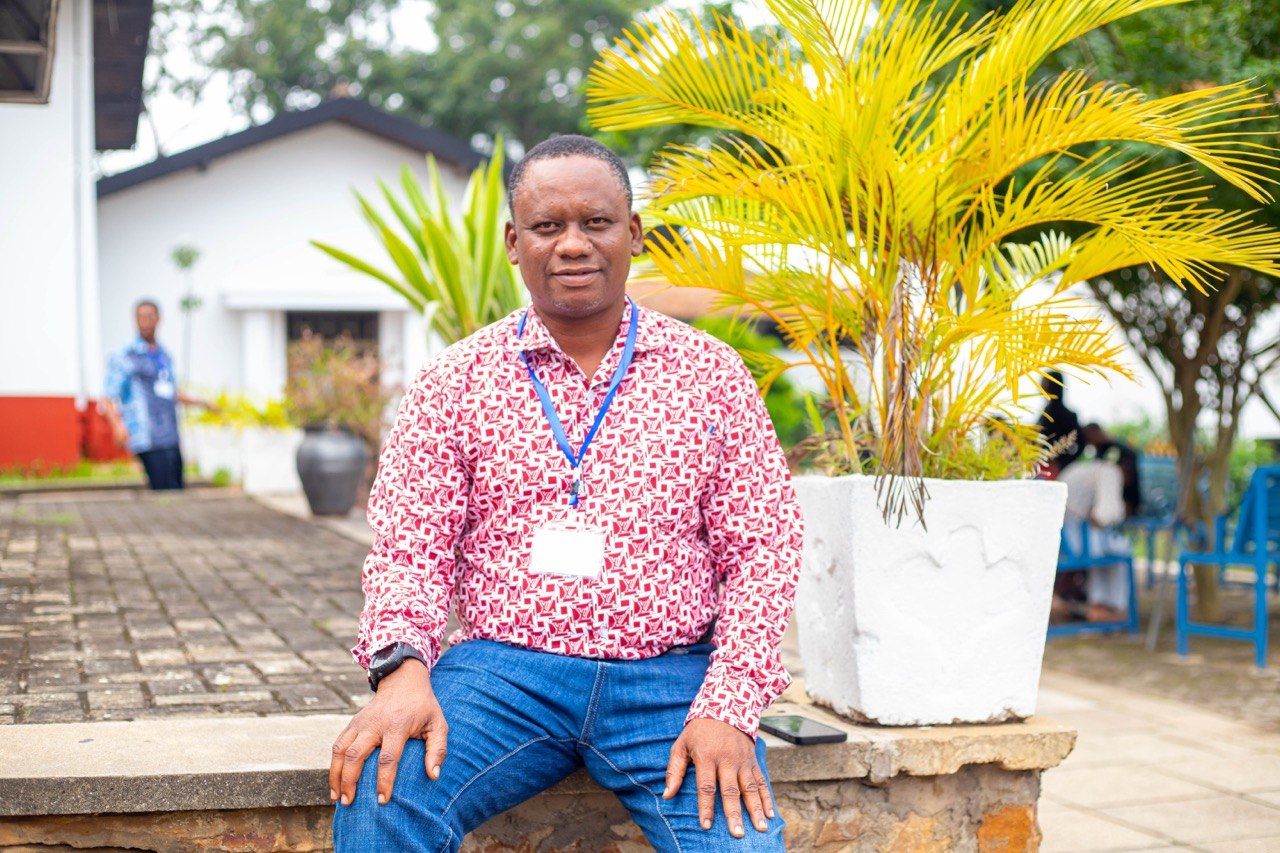
Dr. Razak Jaha Imoro
KNUST
Kwame Nkrumah University of Science and Technology
EM
Head of Department
Prof. Esmeranda Manful
PD
GSAA Representative
Prof. Peter Dwumah
Governance
Constitution & Governance
The affairs of GSAA are currently guided by an Interim Constitution, which remains in force until a permanent constitution is ratified at an annual meeting of the Association.
This framework guides governance, administration, and membership accountability while the association continues institutional consolidation and growth.
GSAA publishes annual reports documenting our activities, finances, membership figures, and scholarly output. All reports are freely available to members and the public.